
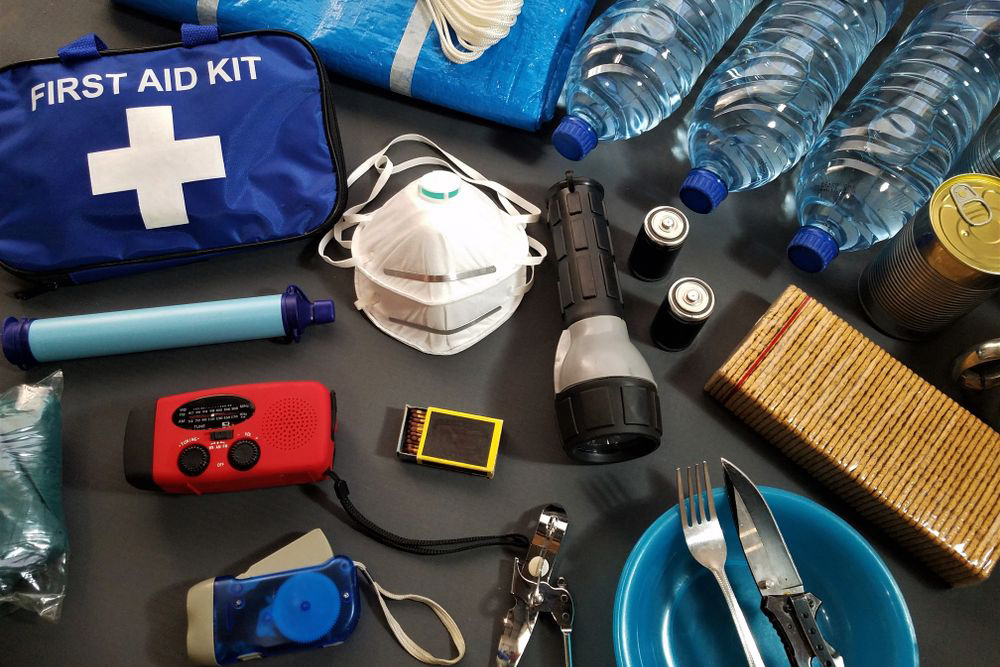
September is National Preparedness Month – an ideal time to seriously consider what you would do if a tornado, earthquake, fire, flood, power outage, or another emergency upended your daily life with little to no warning.
While emergency supplies and evacuation plans are cornerstones of disaster preparedness, you should also take inventory of your belongings, revisit your insurance policies, and determine what you might need to recover financially after a loss.
What Do You Need to Protect?
You’ll need to provide accurate documentation to get fairly compensated for a covered loss. Take photographs or videos of your entire property and valuable individual belongings such as vehicles and electronics.
For small business owners, that might include office equipment and assets, product inventory, and property improvements. High-net-worth people may also need to document jewelry, artwork, vehicles, and other significant assets.
Keep receipts, appraisals, serial numbers, and other relevant information whenever possible. Also, store digital copies somewhere secure so you can still access them if your physical records get lost or destroyed.
Make Sure Your Values Are Current
Due to factors like depreciation and inflation, your record of the amount you paid for something years ago won’t necessarily give you a realistic idea of what it would cost to replace today.
Construction expenses, labor costs, and equipment prices can all affect replacement costs. Businesses also routinely acquire new equipment, renovate facilities, expand their product lines, or move into larger spaces. Your insurance should keep pace with those changes.
National Preparedness Month is an excellent opportunity to review your property values and consider whether the limits on your existing policies still reflect what you own today.
Understand What Your Insurance Covers
Even if you have an insurance policy, that doesn’t guarantee protection against every possible disaster or loss. Policies contain specific terms, limits, deductibles, and exclusions. Specific risks may require additional riders or endorsements depending on your property, location, and circumstances.
Don’t wait until you need to file a claim to learn how your coverage works. Review your policies with an experienced insurance professional and ask questions about the risks that are most relevant to your circumstances. You can proactively identify and address gaps when you understand what your protection does and does not cover.
Protect Important Documents and Information
While it is often possible to repair physical property damage, information may be much harder to recover. Maintain secure digital copies of essential legal or financial documents such as:
- Insurance policies
- Property inventories
- Appraisals
- Financial records
- Business contracts
- Lease agreements
- Employee and vendor contact information
For business owners, a continuity plan should also be part of the preparedness conversation. The goal is to ensure you can still access your critical data and stay in touch with your clients and employees, even if your home, office, or physical files become inaccessible.
Think About What Happens After the Disaster
Disaster preparedness strategies should have two primary components – surviving the immediate event and anticipating what recovery might look like. If you’re a small business owner, you should identify mission-critical operations, establish employee and customer communication chains, and determine how your company will function if your typical location or tools aren’t available.
Repairing damaged property is one concern; continuing to pay expenses when you aren’t bringing in revenue can be another. That’s why business interruption coverage should also be a crucial component of your strategy following specific, covered losses.
Individuals and families should likewise know the locations of essential documents, whom to contact and where they’ll go if they experience significant property damage.
Don’t Wait for a Warning to Review Your Coverage
When the forecast calls for severe weather, your immediate focus should be on protecting yourself and your loved ones – not wondering whether your insurance is adequate. That’s why preparedness is always a wise strategy.
Insurance needs also change over time. You may have renovated your property, purchased a new vehicle, acquired valuable assets, expanded your business, or experienced other changes since you originally purchased your policies. A periodic review can ensure your protection still matches today’s needs.
Make Preparedness Part of Your Insurance Strategy
The Ingram Agency believes insurance should be personal. Our approach begins with understanding what you own, what you’ve built, and the risks you need to manage before a loss occurs.
Whether you’re protecting a business, valuable property, or the financial future you’ve worked hard to create, let us design a strategy around your unique circumstances. This National Preparedness Month, don’t limit your planning to what you’ll do during an emergency. Think about what comes afterward, too. Contact us to review your coverage and protect what matters most when the unexpected happens.